


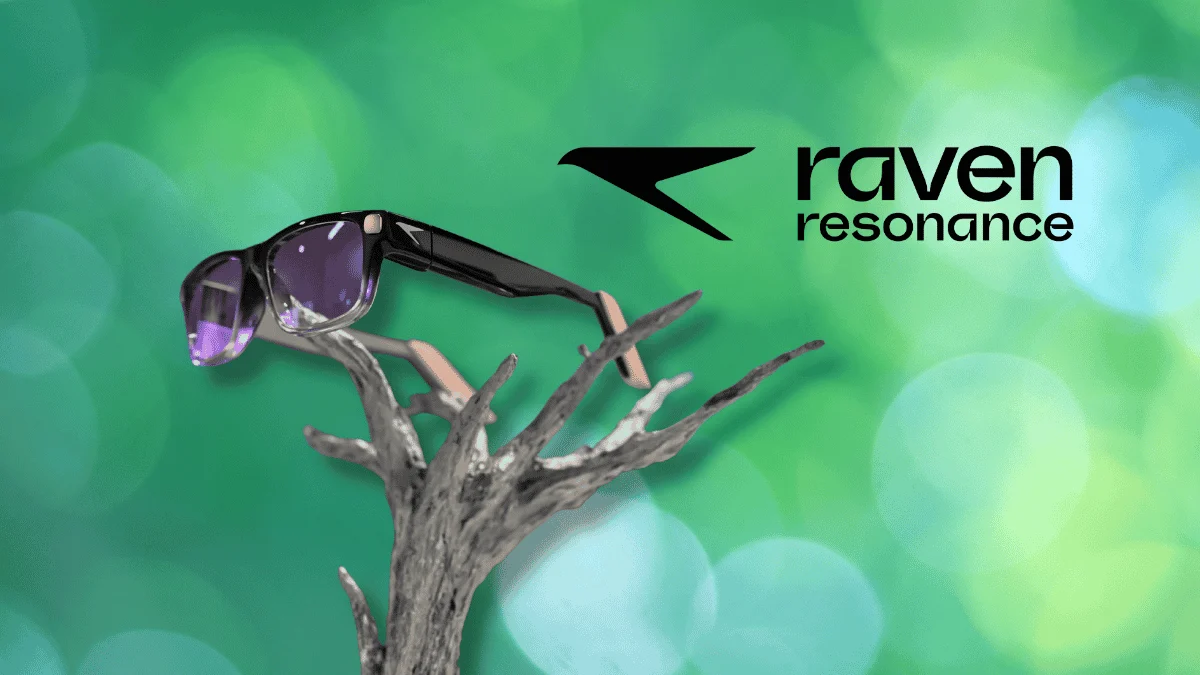
The landscape of wearable technology has undergone a seismic shift over the past twenty-four months. Once the exclusive domain of enthusiasts and enterprise logistics, "smart glasses" have transformed into a mainstream consumer phenomenon. Driven by high-profile partnerships between tech giants like Meta and fashion staples such as Ray-Ban and Oakley, these devices have become ubiquitous. Yet, as the market swells with voice-activated assistants and integrated cameras, a growing chorus of privacy advocates, security researchers, and disillusioned consumers is raising a fundamental question: at what cost does this convenience come?
For many, the current generation of smart eyewear has become synonymous with "surveillance-as-a-service." From allegations of contractors reviewing intimate user footage to the clandestine integration of facial recognition code on millions of devices, the industry’s track record is, to put it mildly, disturbing. It is within this climate of mistrust that a San Francisco-based startup, Raven Resonance, is emerging to offer a radical alternative. Their flagship product, the Raven Prism, is not merely a piece of hardware; it is a manifesto for a new philosophy in wearable computing—one where the user, not the data harvester, remains in control.
The Chronology of Distrust: How Big Tech Lost the Plot
To understand why the Raven Prism matters, one must first examine the trajectory of its predecessors. The past two years have seen smart glasses move from the fringes of consumer tech to the center of social media discourse—often for the wrong reasons.
The initial rollout of AI-integrated eyewear was sold on the promise of "frictionless living." Users were promised instant access to information, seamless photography, and hands-free communication. However, the architecture behind these features was deeply centralized. By design, these systems relied on cloud-based processing, meaning the visual data captured by the glasses was frequently funneled back to corporate servers for analysis.
In early 2026, an investigative report into Meta’s smart glasses sent shockwaves through the industry. The investigation confirmed that human contractors were regularly reviewing audio and visual footage captured by these devices to "train" AI models, effectively turning users’ private lives into training data without transparent, granular consent.
The situation escalated shortly thereafter when security researchers discovered that Meta had quietly embedded facial recognition code into the underlying software of their smart glasses—code that had been pushed to millions of users’ smartphones without clear user notification. While the company claimed the code was for "future features," the incident cemented a narrative that the hardware was being used as a Trojan horse for biometric data collection. This series of events has created a massive vacuum in the market for a device that respects the user’s autonomy rather than commodifying their presence.
The Raven Prism: Redefining Ambient Computing
Enter Raven Resonance. Founded by Thomas Suarez, a veteran of the wearable and spatial computing space, the company has assembled a multidisciplinary team dedicated to the concept of "ambient computing."
"Ambient computing," according to the Raven team, is a design philosophy where technology is present only when required and fades into the background when it is not. Unlike the current trend of "always-on" AI agents that demand constant attention and data feeds, the Raven Prism is designed as a standalone Linux-based computer. It functions independently of a smartphone, effectively decoupling the user’s digital life from the data-hungry ecosystems of mobile platforms.

Hardware Specifications: A Foundation for Freedom
The hardware is designed for longevity and utility rather than planned obsolescence. Key specifications include:
- Processor: A quad-core 64-bit ARM processor optimized for low-latency tasks.
- Memory: Available in 2GB and 4GB RAM configurations, allowing for local execution of scripts and applications.
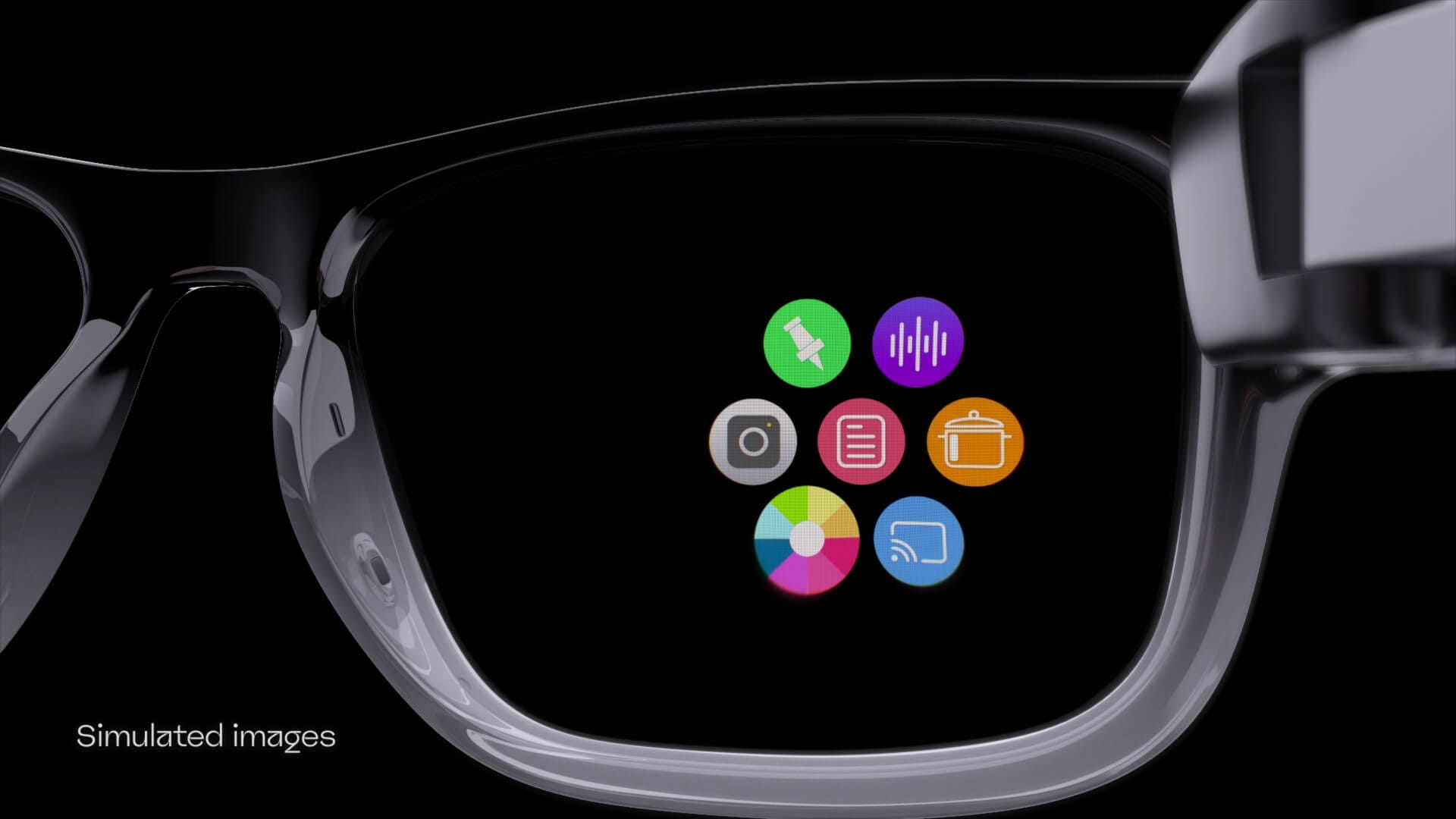
- Display: A full-color LCoS (Liquid Crystal on Silicon) waveguide display positioned on the right lens, offering a 30-degree field of view—roughly equivalent to a 16-inch laptop screen held at arm’s length.
- Weight: Weighing in at under 70 grams, the Prism is engineered for all-day comfort.
- Modularity: The "Raven Wings"—a system of hot-swappable battery packs—ensures that the device can stay powered throughout the day while also serving as an expansion platform for future peripherals.
Software: The Linux Advantage
Perhaps the most significant differentiator is the software stack. The device runs on RavenOS, a custom Linux-based operating system built from the ground up to prioritize gaze-first, hands-free interaction. By avoiding the bloated, telemetry-heavy environments of Android or AOSP, Raven has created a clean, developer-friendly sandbox.
The Prism supports SSH out of the box and is fully rootable. For the technical community, this is a game-changer. It means users can audit the system, run local AI models, and host their own web apps without relying on external cloud endpoints. The SDK is already available on GitHub, and the company plans to release full system images, inviting the open-source community to build and iterate on the platform.
Supporting Data: Why "Local" is the New Luxury
The technical shift toward local processing is not just a moral choice; it is a functional necessity for security. In the Raven Prism architecture, the "Privacy First" approach is codified into the physical design:
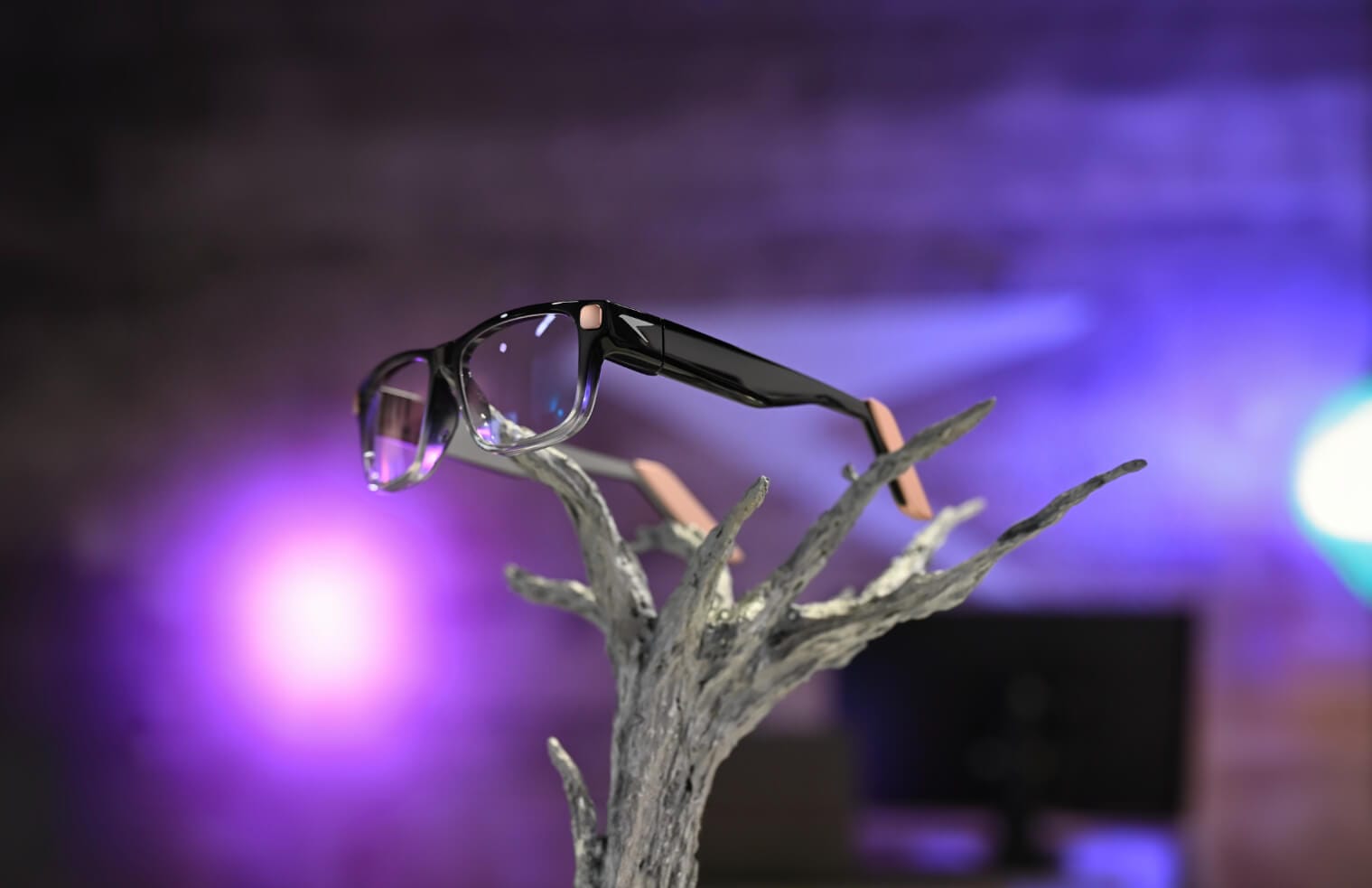
- Physical Sovereignty: The device ships with a physical camera cover. If the camera is not in use, the physical shutter ensures that no data can be captured, regardless of software state.
- Visible Cues: "Beakon" lights provide an unambiguous visual indicator to the user and those around them that the camera is active.
- On-Device Processing: Eye-tracking, which is essential for the interface, is handled entirely on the device using a combination of proprietary and Pupil Labs technology. No biometric gaze data is ever transmitted to a server.
- No Telemetry: By default, Raven Prism collects zero telemetry. If a user wishes to contribute to the product’s development, they must actively opt-in to an anonymized data program.
These features stand in stark contrast to the industry standard of "opt-out" privacy settings, which are often buried deep within complex legal menus.
Official Responses and Industry Implications
The launch of the Raven Prism has sparked a conversation regarding the "right to repair" and user ownership in the wearable space. Thomas Suarez and his team have been explicit about their commitment to sustainability, noting that the device is designed and built at their California facility and assembled in the United States.
While the tentative base price of $1,499 puts the Prism in the premium category, the company emphasizes the lack of a "wallet-draining subscription." In an era where hardware is increasingly sold as a gateway to recurring monthly fees, the one-time purchase model is a return to a more traditional, consumer-centric relationship.
At the Augmented World Expo (AWE) 2026, the company showcased the device’s capabilities, including hands-free coding agents and real-time schematic overlays. Early observers noted that the interface feels distinct—less like an intrusive HUD and more like a helpful, quiet companion.
The Path Forward: Can Privacy Prevail?
The success of the Raven Prism will ultimately depend on whether there is a sufficient consumer appetite for privacy-conscious hardware. The current market is heavily skewed toward "ecosystem lock-in," where the convenience of cross-device integration outweighs the privacy risks for the average user.
However, the tide may be turning. As users become more aware of how their biometric and visual data is being leveraged, the demand for "sovereign computing" is likely to grow. The Raven Prism represents a vital experiment: can a boutique, Linux-based, privacy-first wearable compete with the billion-dollar marketing engines of Silicon Valley?
For the developer community, the appeal is already clear. With over 25 apps shipping at launch and an open SDK, the Prism is positioned as a platform for innovation rather than a walled garden. Whether it becomes the standard-bearer for the next generation of eyewear or remains a specialized tool for the privacy-conscious, one thing is certain: Raven Resonance has changed the conversation. They have proven that high-end, capable, and functional smart glasses do not have to be an invasive surveillance tool. They have proven that, with the right architecture, technology can be both smart and respectful of the user’s soul—and their data.